
Green Data Centre
Clean energy for the UK’s next generation of digital hubs
Low-carbon power for a greener digital future
The Green Data Centre
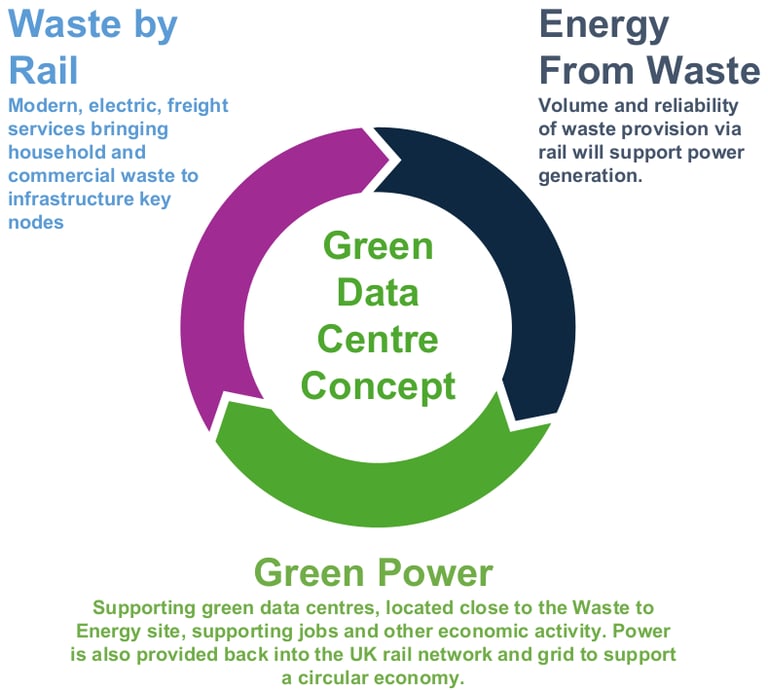
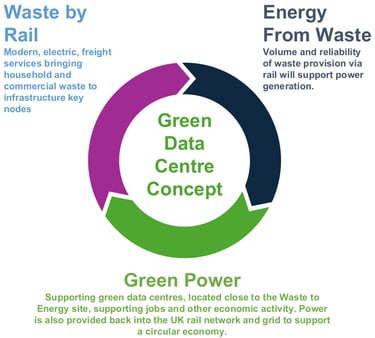
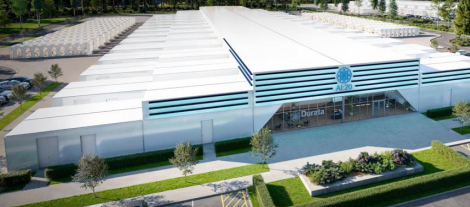
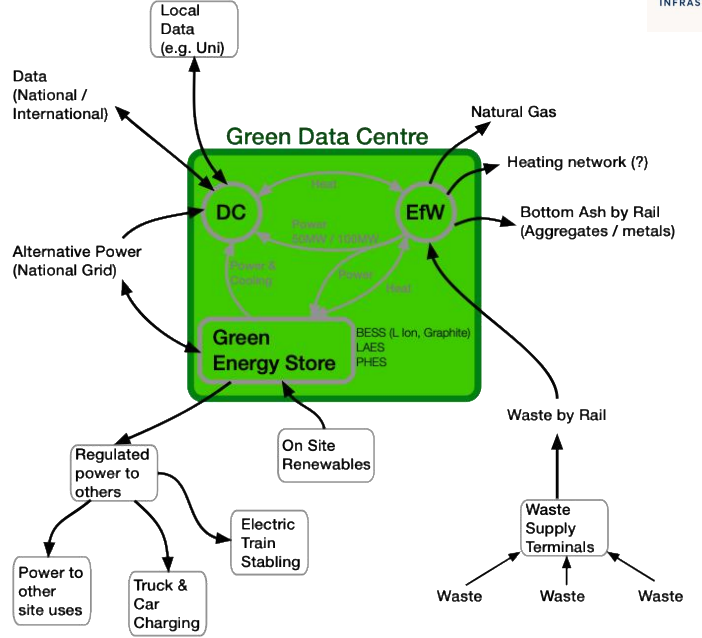
We are pioneering a new generation of Green Data Centres by co-locating state-of-the-art data facilities with waste-to-energy (WtE) infrastructure at key rail-connected sites.
This innovative approach transforms residual waste into flexible, low-carbon power — as well as heat and cooling — to support the rapidly growing energy demand of the data sector.
By designing data centres directly alongside a reliable, rail-fed waste supply, we can:
Support major data centre growth without adding further pressure to the UK electricity grid.
Provide the waste sector with a stable, low-carbon outlet for energy generation, improving project viability and enabling a sustainable circular economy.
This creates a virtuous cycle: rail-delivered waste powers the site, the energy supports high-value digital infrastructure, and surplus clean power is returned to the rail network and local grid — driving economic growth while advancing the UK’s net-zero ambitions.
Why Co-Locate Green Data Centres with Waste-to-Energy?
Meets rising demand: Data-centre electricity use is expected to quadruple by 2030.
More reliable power: Local WtE generation reduces grid pressure and lowers costs.
Supports Net Zero: Cuts reliance on gas-powered backup and lowers emissions.
Smart locations: Rail hubs offer ideal land, logistics, and heat-network connections.
Everyone needs data centres now and expansion is deemed necessary to facilitate the growth of AI.




They consume extraordinary levels of power and require significant cooling as a result.
The green data centre resolves this conflict:
• It generates energy from waste, typically in 50MW or 100MW Variants.
• It recycles the data centre’s heat to create more energy.
• It uses green energy stores (graphite batteries) to smooth out the data centre use and the EfW provision of power.
• Uses rail to provide waste in sufficient volumes to maintain supply and provide the resilience of multiple supplies.
Data centres are evolving rapidly. Processing units are becoming smaller, density is increasing, and quantum-level computing is on the horizon. As these capabilities advance, data centres must be designed to adapt, reconfigure and scale over time.
Modular, flexible data centres — those that avoid over-extending grid demand — will offer better long-term investment, resilience, and performance.
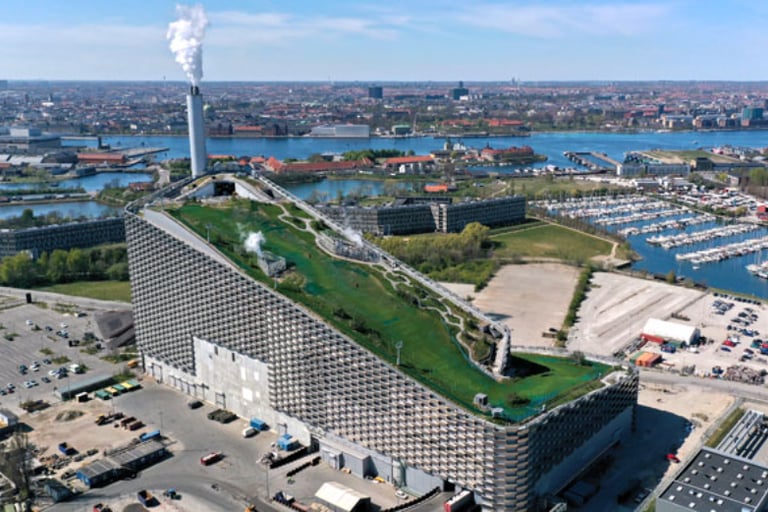
Energy-from-waste infrastructure is evolving, with rail and port networks providing reliable, large-scale delivery of material to each site. This dependable supply underpins stable, low-carbon power generation. Our aim is to develop facilities that are visually attractive, well-integrated, and supportive of surrounding communities.
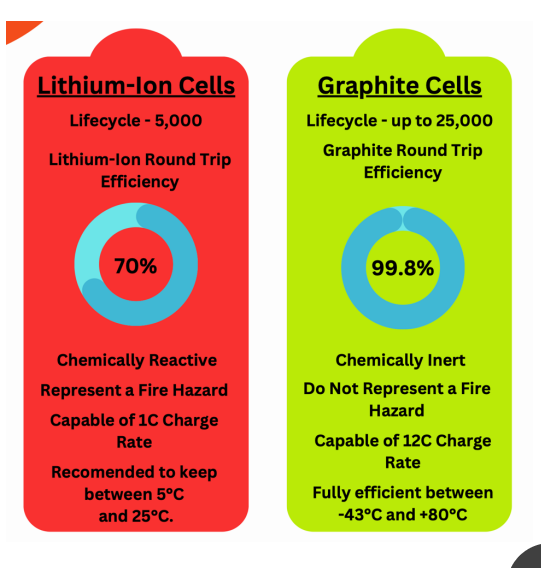
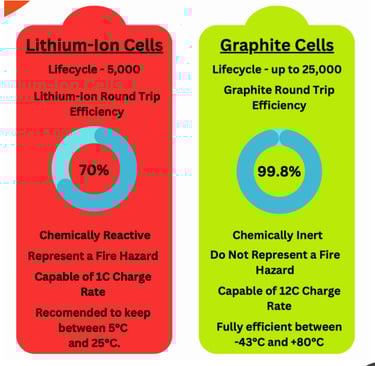
BESS (Graphite) systems provide highly responsive, environmentally friendly energy storage. They offer longer lifespans, faster charging, and require no forced cooling, making them a resilient and efficient solution for future power needs.
These systems are delivered in modular units, with approximately 17 × 40-foot containers required to provide 50 MWh of capacity.
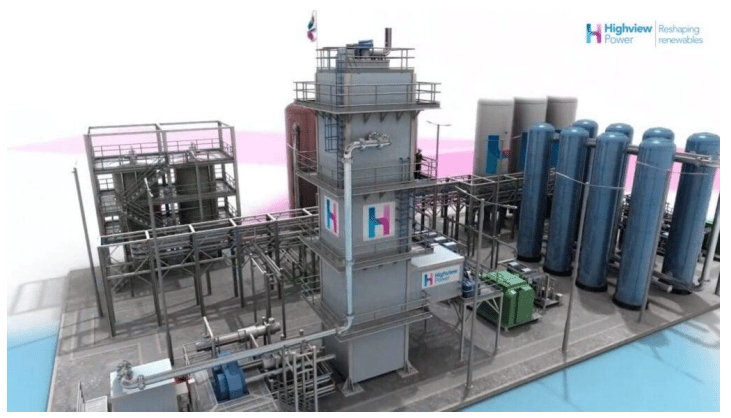
Liquid Air Energy Storage (LAES) provides large-scale storage capacity, typically 600 MWh to 1 GWh, with a 50 MW output.
LAES stores energy using only air, and its efficiency improves when it captures waste heat from BESS systems, data centres, and energy-from-waste facilities — creating a fully integrated, low-carbon energy ecosystem.
Get in touch with our leadership team for partnership, development, or project enquiries.
Lindsay Noble
Over 30 years leading major rail and infrastructure projects
📧 Lindsay.Noble@brightfutureinfrastructure.com
📞 +44 784 158 4474
© 2026. All rights reserved.
Contact us
Rob Baxter
Chartered Director delivering sustainable improvement across the rail industry
📧 Rob.Baxter@brightfutureinfrastructure.com
📞 +44 7824 846 833
Greg Cook
Project delivery and cost-management lead
📧 Greg.Cook@brightfutureinfrastructure.com
📞 +44 7810 850 046